Is a wool sweater warmer than other materials?
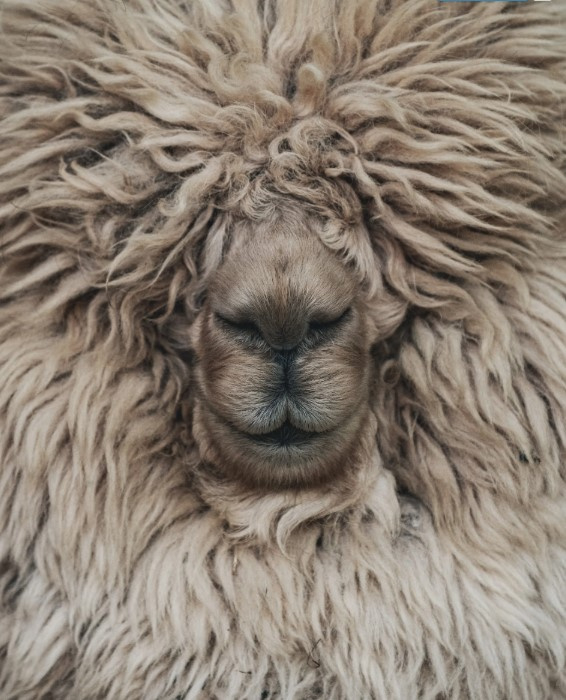
Is a wool sweater really that much warmer than other materials?
When temperatures drop, many people instinctively reach for a wool sweater. Wool is known for its warmth and is often praised as superior to other materials. But is a wool sweater really that much warmer than garments made from cotton, polyester or fleece? Let’s take a closer look.
The unique properties of wool
- Wool has a number of properties that make it an excellent choice for cold conditions:
- Insulation: Wool fibres contain tiny air pockets that trap heat and create an insulating layer.
- Moisture management: Wool can absorb up to 30% of its own weight in moisture without feeling clammy, keeping it comfortable in changing temperatures.
- Breathability: Unlike synthetic materials, wool can wick away moisture and remains well ventilated.
- Self-cleaning: The lanolin in wool has antibacterial properties, making it less likely to develop odours and requiring less frequent washing.
Wool vs. Other Materials
To make a fair comparison, let’s take a look at how wool compares to other popular materials:
- Cotton: Cotton feels soft, but it absorbs moisture without wicking it away. This can make a cotton sweater feel clammy and get colder more quickly.
- Polyester: This synthetic material is lightweight and dries quickly, but it lacks the breathability and moisture-wicking properties of wool. It can trap heat, but can sometimes feel sweaty.
- Fleece: Fleece, made from polyester, provides good warmth and is lightweight. It wicks moisture better than cotton, but is less breathable than wool and can trap odors more easily.
When to choose wool?
A wool sweater is the best choice if you are looking for warmth, comfort and breathability, especially in cold and damp weather. For intense sports activities, a wool and synthetic blend may be better, as it combines durability and quick-drying properties.
Conclusion
Yes, a wool sweater is generally warmer than sweaters made from other materials. Thanks to its natural insulation and moisture-wicking properties, wool remains comfortable and dry, even in damp conditions. Although synthetic materials can sometimes provide similar warmth, wool remains a top choice for those looking for a natural, breathable and sustainable material.